



Breaking down barriers to immunotherapy: Dr Joyce Chiu’s cancer research project
In 2025, Dr Joyce Chiu was awarded funding for “Targeting tumour-derived enzymes to boost T-cell infiltration and immunotherapy success” through a Southern Cancer Care funded cancer research grant, through our research partnership with the St George and Sutherland Medical Research Foundation.
Southern Cancer Care interviewed Dr Chiu about her research project, “Targeting tumour-derived enzymes to boost T-cell infiltration and immunotherapy success”.
What is your project about?
Immunotherapy is a type of cancer treatment that helps the body’s own immune system recognise and destroy cancer cells. It has given many people with advanced cancer new hope, especially when other treatments are no longer effective. However, immunotherapy does not work for everyone. One important reason is that immune cells need to be able to enter a tumour to kill cancer cells, but cancers can block this process.
This research explores a new idea: tumours release substances that actively stop immune cells from reaching them. To investigate this, we will create miniature laboratory models of blood vessels and tumours. By blocking these tumour‑released substances, we will test whether immune cells can more easily enter tumours and destroy cancer cells.
What do you hope it may show or lead to?
By identifying and understanding how these tumour-released substances interfere with the immune system, we aim to find new ways or develop treatments to overcome this barrier and improve the effectiveness of immunotherapy. This could allow immunotherapy to be more effective and benefit a greater number of patients with advanced cancers.
Why is this grant important to you?
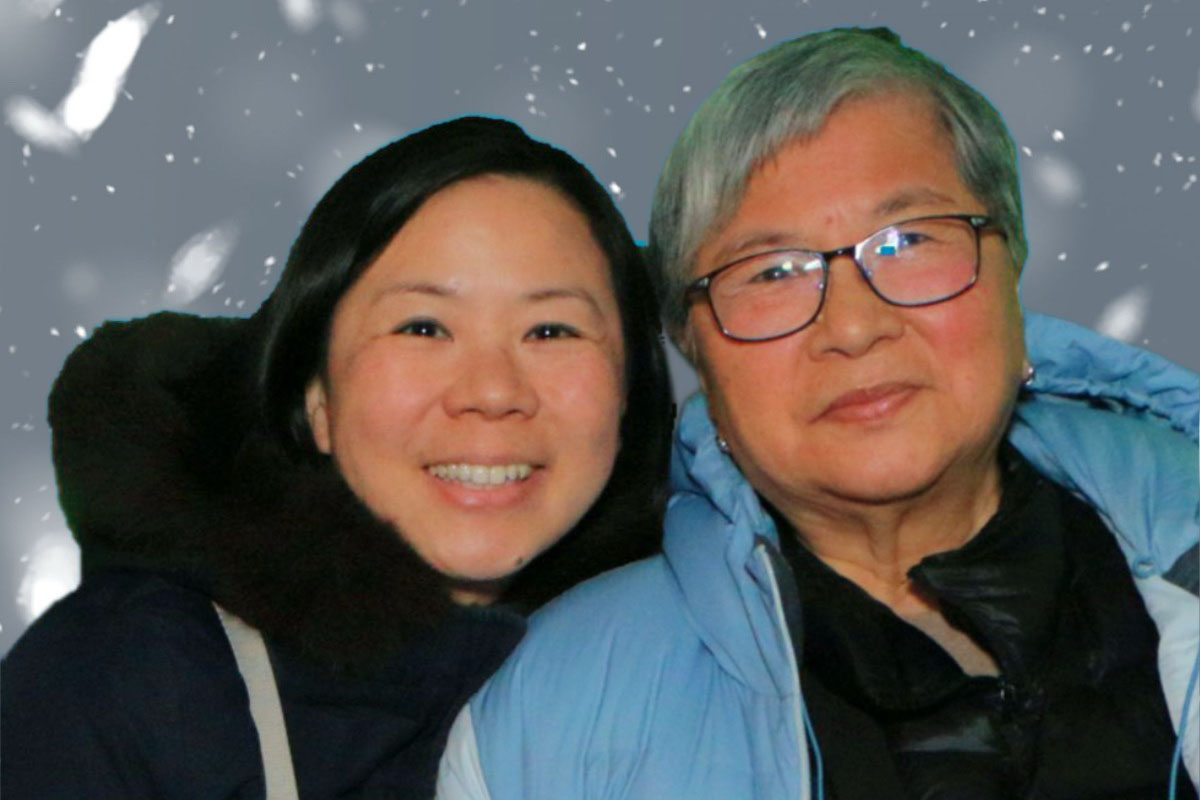
This grant is important to me both scientifically and personally. Since 2023, after my discovery of a novel mechanism that regulates immune-cell movement, I have been developing a research concept linking immunotherapy and cancer. This funding is critical to support the generation of key preliminary data needed to strengthen future grant submissions. On a personal level, my mother was diagnosed with advanced cancer in 2024, and her initial prognosis was poor. After six months of combined chemotherapy and immunotherapy, her disease stabilised. Immunotherapy has profoundly changed the outlook of her condition, and eighteen months since her initial diagnosis, she is doing well.
Supporting my mother through her cancer journey has deeply motivated me to pursue this research and translate fundamental scientific discoveries into meaningful clinical impact. Through this work, I hope to extend the life‑changing benefits of immunotherapy to more people and families affected by advanced cancers.